01
THE SERIES
LIFE, LIBERTY AND THE PURSUIT OF CRIME
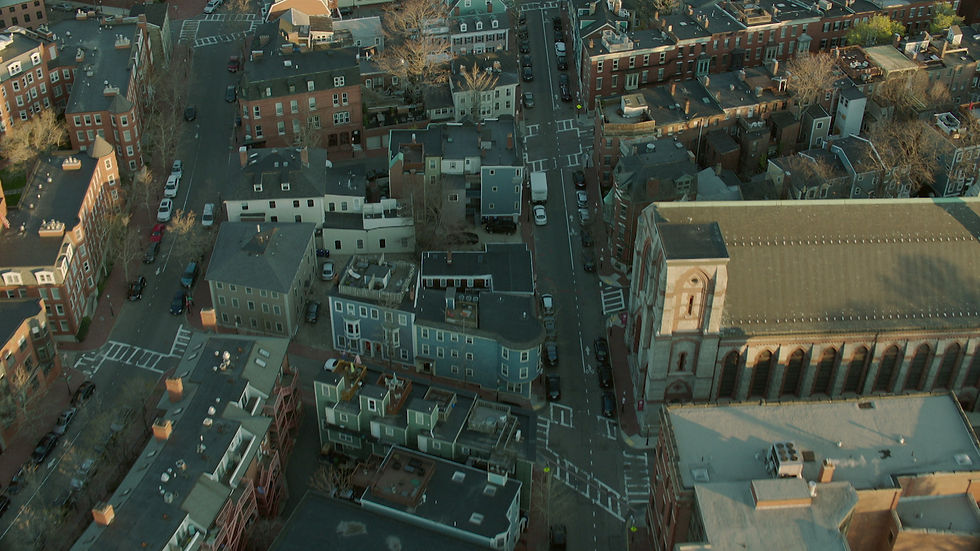
Crooked Town is a true crime documentary series about the rise and fall of one of America’s most notorious criminal neighborhoods, Charlestown Massachusetts. At its nadir Charlestown had the most unsolved murders per capita, the most armored car holdups nationwide, and one of the most vicious drug rings. Its criminal culture was secured by a well-know Code of Silence that stymied the cops. Witnesses rarely came forward, even when people were murdered in plain sight.
The U.S. Marshall Service designated the community as “schizogenic,” meaning a community biased to lawlessness for generations. As a condition for Federal probation, no convict was allowed to live or associate with Charlestown because of the neighborhood’s corrupting influence on the future rehabilitation.
The series Crooked Town is the untold, ‘stranger than fiction' version of events that's been portrayed in part in “The Town” and “City of the Hill” and other Boston crime dramas. But this is the gritty, even more bloody and vicious, real story.
This story will be told with ‘never before seen’ home movies, arrest footage and surveillance stills and the blockbuster tape recorded testimony of the prosecution’s star witness who was murdered hours after turning state’s witness.
Through interviews with the lead DEA agent, prosecutor, judge and in-prison interviews with the main character themselves, their families, girlfriends and more, Crooked Town reveals, in chilling detail, the ruthless, dark world of the Boston Irish Mob of the 80s and 90s that ran the enclave of Charlestown.
02
03
THE CHARACTERS
Kingpins, Hitmen, Rats and Cocaine Queens
02
THE STORY
LIFE OF CRIME
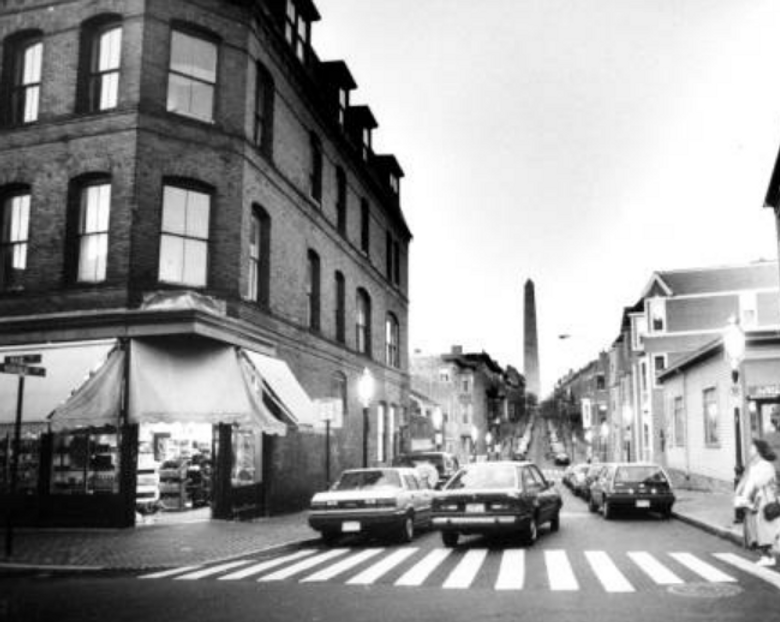
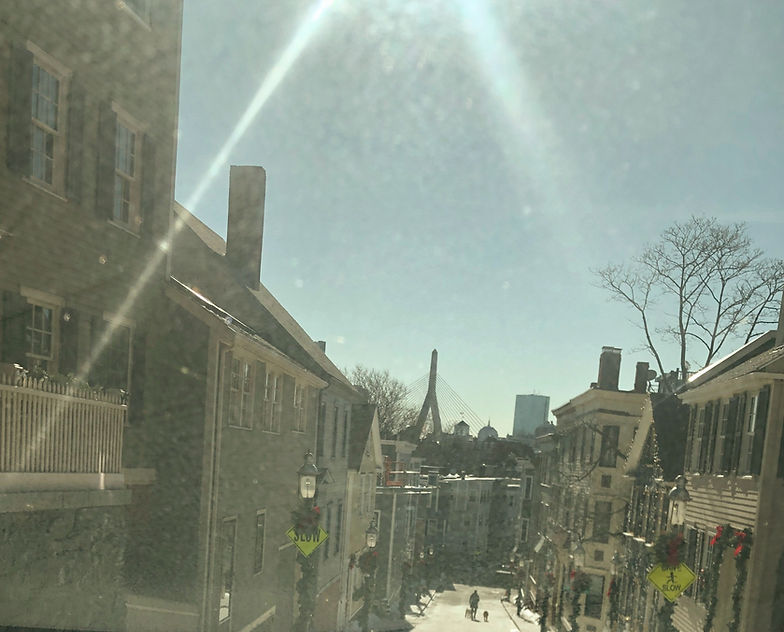
Irish Catholic and working class, Charlestown was an identity not an address. Its identity was “tough.” Kids were raised on hockey and fist fights. A battlefield sat in the middle of town, marked by the towering 237- foot Bunker Hill Monument visible for miles. Charlestown owned it as their emblem of tough, the lost battle in the “live free or die” war for Independence. District attorneys saw it another way.
It was Charlestown giving Boston the finger.
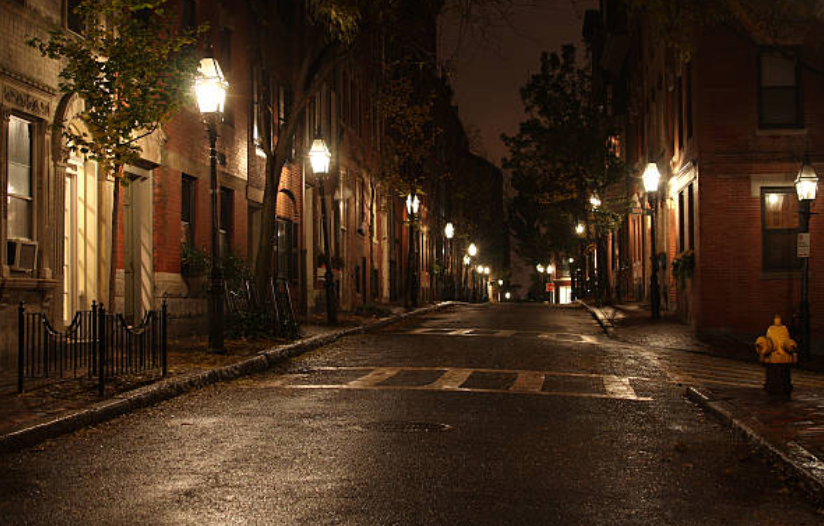
In Charlestown, nature and nurture evolved a neighborhood like no other in America. Size helped. The town was barely a mile from City to Sullivan Square. It was small enough for everyone to know everyone, a self-contained clan.
Families lived in the same house for generations and often with kids, parents, and grandparents. There were three Catholic Churches, Saint Mary’s, Saint Francis’ and Saint Catherine’s; three funeral parlors, two liquor stores and many bars. The Morning Glory, MacAvoy’s, and The Big Potato opened early for men on the way to work at the docks, lumber yards, sugar houses, and the Navy Yard on Medford Street.
A prison stood in the town from 1805 to 1955. Criminals from far and wide were sentenced here, a forced migration of psychopaths and sociopaths. When inmates were released, they often stayed in the town, sowing their criminal seed for another generation.
Incarceration seldom nurtured an alternative to criminal behavior. In fact, it encouraged it. Prison was a think tank where a captive audience exchanged ideas on ways to better their craft and avoid arrest.
The most important learned prison behavior was that no matter what happened, no one ratted to the cops. It was enforced by a promise of death. In the absence of witnesses, criminals were fruitful and multiplied under the aegis of a Code of Silence.
The Story of Crooked Town is about the code, about the rise and fall of a generation of criminals who went from petty crime to robbery to murder and a multi-million-dollar drug ring.
It also about Charlestown, and how politics and economics contributed to its innocence, ruin, and redemption.
Its innocence is marked by the post-war halcyon days when all was right. America was at peace. Working class jobs were plentiful. The Catholic Church’s was a moral authority. Charlestown was free from outside interference. Its very own congressman, John Fitzgerald Kennedy, inspired dignity, honor and self-respect across the town.
Its ruin was Vietnam’s toll on the town, shuttered factories and school desegregation riots that combined to form a volatile mixture of poverty, drugs and violence.
Its redemption rose from grief-stricken mothers, a Catholic priest, and a Federal task force that declared war on Charlestown’s brazen criminality.
While the saga covers four decades of Charlestown’s criminal history, it focuses on John “Mad Dog” Houlihan, Michael “Fitzy” Fitzgerald, and Joseph “No Name” Nardone, George Sargent, and Jennierose Lynch. These school yard brats became the kingpins, dealers and enforcers of a murderous, multi-million- dollar cocaine ring, ultimately destroyed by greed, betrayal and the law.
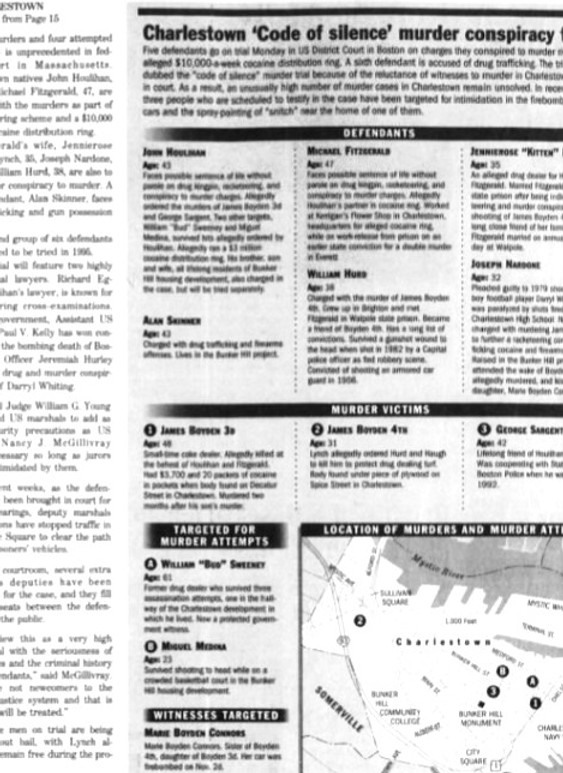
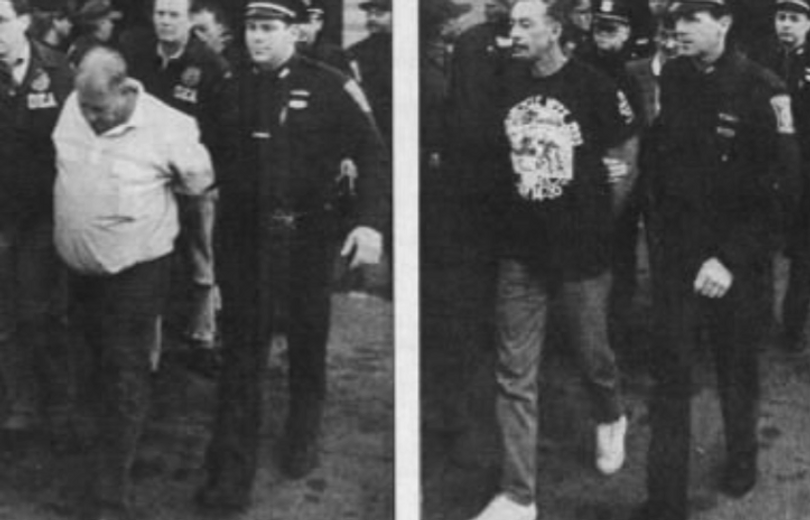
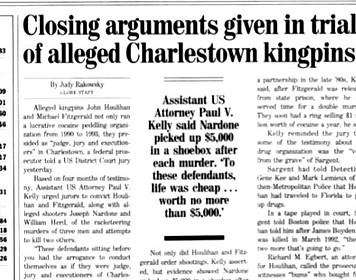
The ring’s take-down was a culmination of a three-year federal investigation that climaxed in a pre-dawn arrest on October 31, 1993, of nineteen alleged criminals on 49 counts. What followed in 1995 was the dramatic five-month long Code of Silence Trial. In the end, eleven defendants went to prison. Bosses Houlihan, Fitzgerald, and Nardone were sentenced to life.
Details of the Investigation and Trial include:
-
Firsthand accounts of the drug ring’s murderous operation.
-
Panoramic view of the massive pre-dawn arrest of 19 men and women in a 49-count indictment.
-
The dramatic legal combat in and out of the courtroom between high-powered criminal defense attorneys and federal prosecutors.
-
How the prosecutors compelled 12 associates to rat when no one talked to the cops.
-
A critical witness too drunk to testify until prosecutors sobered her up and did a complete makeover to restore her credibility.
-
The $15 million emergency deal for a witness protection program to save the prosecution's case from total collapse.
-
Numerous murders in graphic detail, including a witness whose heart was cut out before he could testify.
-
A mother whose son was murdered after the trial for ratting out the ring. She broke the code and testified only to pay a tragic price.
-
The mother and daughter who were firebombed and jeered in court yet still testified against the conspirators who killed three family members.
-
An informant working for free drugs, money, and to win the release of her child’s father.
-
The cop who forced the confession of a reluctant witness by offering to call a “hit” on him.
-
The dramatic, tape recorded testimony of a dead man played in court that convicted the conspirators that murdered him.
-
The death on the last day of the trial of Albie Titcomb, a 32 year-old drug user who owed $10.00 to an Angel Dust dealer. The killing was supposed to send a message that the next generation was poised to take over after Houlihan et al were doing time.
03
THE CHARACTERS
KINGPINS, HITMEN AND COCAINE QUEENS
Michael “Fitzy” Fitzgerald – The Brain
Fitzgerald was a short, stocky young man with powerful arms, and close-cropped red hair. He had a quick wit, a filthy mouth, and a dirty mind. He had a short-fused temper that was shorter with every drink. And he loved to drink and fight. It wasn’t Friday, if the night didn’t end with a bar fight.
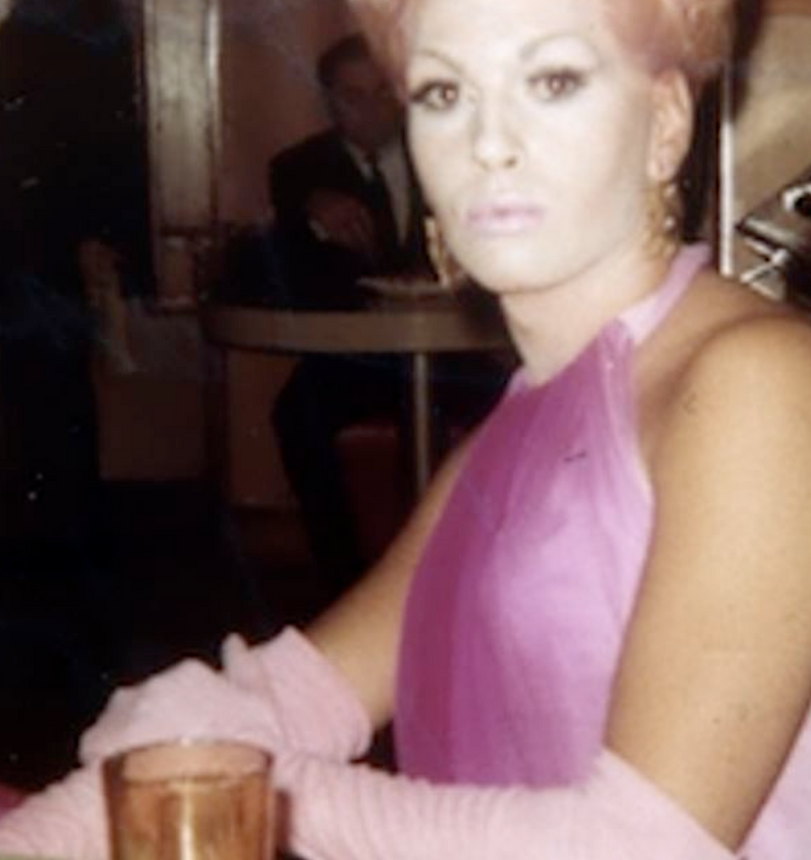
Women who liked boys with an edge were attracted to him. That’s how Georgie Hart came to know him. Hart was young, sexy and fun, with pale skin, fire engine red lipstick and platinum hair, a Marilynn Monroe wannabe. Hart had an appetite for Irish boys, especially gingers, and spent weekends cruising Irish bars. With a little luck and enough liquor to ruin good judgement, Hart usually succeeded in taking home a tasty treat after the bars closed. One night it was Fitzgerald.
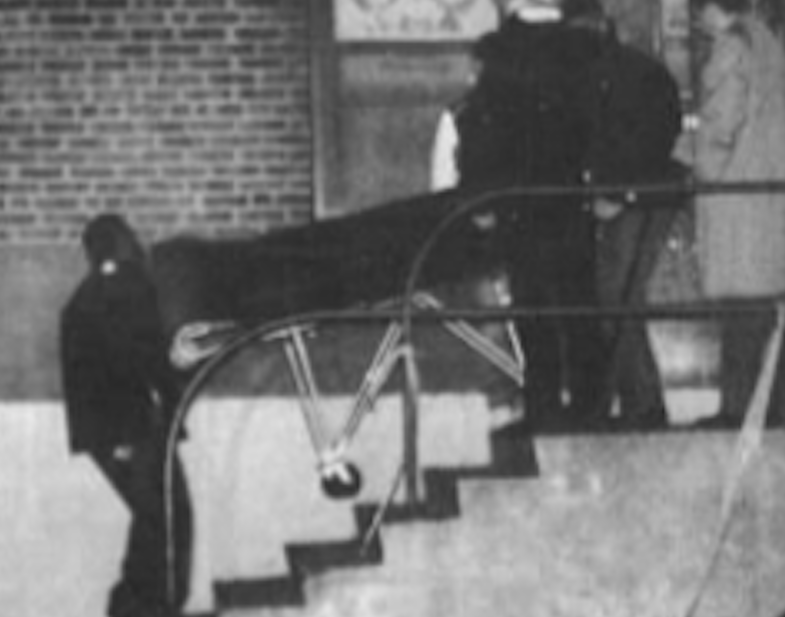
One night turned into a regular event. But Hart did a kiss and tell and that was a fatal mistake. Hart was (in the parlance of the times) a "transsexual". When Fitzgerald heard that Hart had revealed their secret relationship to others, he went ballistic. He stabbed Hart with a broken beer bottle, and left her bleeding to death on the Monument steps. When police found her, Hart had enough blood left to say his name before dying.
Fitzgerald saved the Commonwealth the trouble of a trial. In return the Commonwealth allowed him to plead to a lesser charge. This was the Eighties after all, Hart lived on the fringe of society, had no visible means, was an alleged prostitute and dressed like a girl. Fitzgerald "understandably" flew into a "homosexual panic" and lost his temper. In less than five years, Fitzgerald would be back a new man.
The word “penitentiary” is derived from the Latin word to re-think. And that’s what Fitzgerald did. He re-thought his career upon learning from fellow inmates that the next big thing in crime was cocaine. Now was the time to get in. Wholesalers needed distributors. Margins started at 80 percent.
Fitzgerald was in. He began recruiting friends John Houlihan, Frank Sargent, Bud Sweeney, and Jennierose Lynch. A new inmate from Charlestown named Joseph Nardone also wanted in.
The timing was perfect.
Fitzgerald was up for parole. He was scheduled to meet five men and a woman who would decide if he was ready to return to society. Fitzgerald was more than ready. He was motivated with a plan to start moving cocaine.
Fellow inmates happily coached him on what to say and how to say it. First, he had to express remorse. Remorse was the litmus test for empathy and if you failed to demonstrate empathy, chances are you were a criminal psychopath and you’d be remanded to complete a longer sentence.
Second, you had to demonstrate a desire to add value to society, make an honest living, pay taxes and be civic minded. Another ex-con on public assistance was a burden to the state. Third and this was the secret sauce, you had to express gratitude for being incarcerated as an opportunity to turn your life around.
Fitzgerald wrote a speech and practiced it on Nardone.
At the parole board, he expressed remorse for what happened. He vowed he would never engage in sex for hire and avoid situations that provoked anger and stated every human life was precious. He was heartfelt sorry for what he had done, a tragic accident, a loss of control fueled by alcohol, desire, and repulsion. He bowed his head as if in prayer,
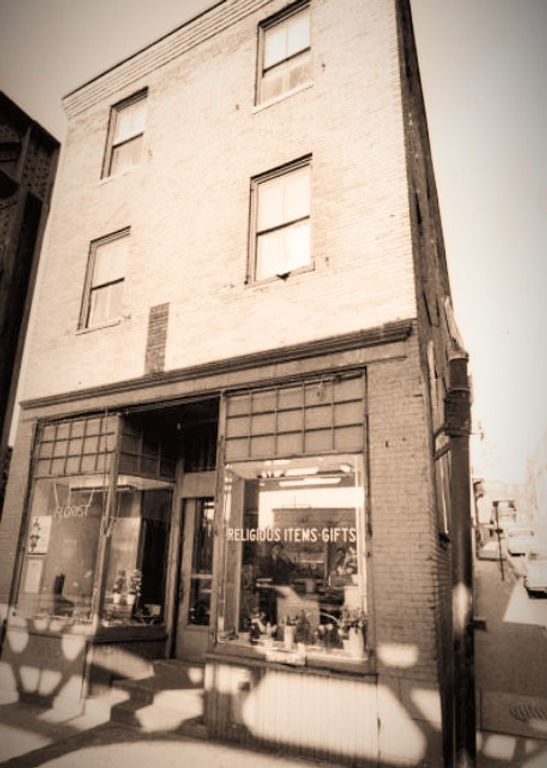
Next he made clear his desire to dedicate himself to making people happy. He’d do that by getting into the flower business. He loved plants and the joy they brought. He even targeted a flower shop in Charlestown, Kerrigan’s, as the place he wanted to work, and hoped the board would make calls on his behalf. He spoke eloquently and convincingly.
Finally, he thanked the board for the being incarcerated. He found, albeit the hard way, meaning and purpose in life.
The board unanimously granted Fitzgerald’s probation. Soon Fitzgerald met Maureen Kerrigan, a 71-year old widow and member of the Legion of Mary who was delighted to help a young man turn a new chapter.
Joseph “No Name” Nardone – The One-Eyed Hitman
Nardone was short, wiry, and thin faced with dark curly hair. He robbed liquor stores, stole cars, and lost an eye at thirteen, trying to steal a Chevy Impala. As an older teenager he was responsible for an infamous hate crime. And later, he became a hitman, one-eyed and all.
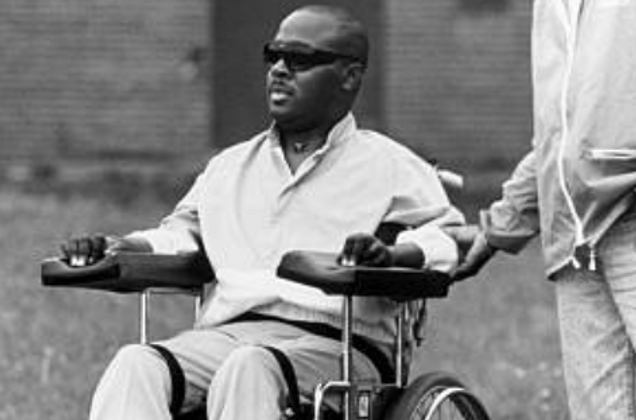
Nardone met Fitzgerald in prison after escaping a juvenile detention center. “Escape” is what the newspapers called it. Nardone merely walked out the front door. But the media played it up because he was believed to be the shooter who put a bullet in Darryl Williams, a 15-year-old black kid playing football against Charlestown High.
The shooting was a shit show. Williams was alive, a quadriplegic on a respirator, lying face down in a hospital bed, after a .22 Long Rifle hollow point exploded a vertebra a quarter inch beneath his football helmet as he stood in a huddle in the middle of a game.
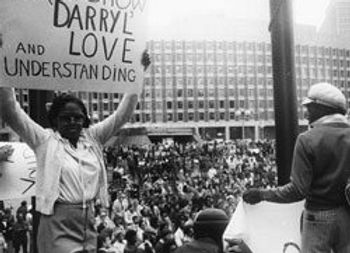
Hard as it might be to believe, the shooting might have gone little noticed when faced with the fact that Charlestown was a racist, lawless town where people were seldom arrested. But the Pope was in Boston. At an outdoor mass, John Paul II asked people to “Pray for Darryl.” Overnight, Charlestown’s infamy was an international story.
Added to that, Boston’s Mayor, Kevin White, was up for a cabinet position. The story would sink his future unless he got a conviction.
The mayor ordered a S.W.A.T. team for show and detectives began the search. They had a lead. Three kids had been on the roof overlooking the football field. One was picked up naked in a supermarket, tripping on LSD. Cops brought him down to the station where he gave them enough info to get to the other two - Nardone and Patrick McGonnagle.
One of the cops, a family member, tipped Nardone and McGonnagle off. They were told to make sure they had the same exact story: that they were shooting at seagulls, it was an accident, and no one knew who hit Williams. No one meant any harm. In a panic, they fled.
Desperate to avoid a trial that would keep the story in the news and possibly fail to convict, White ordered District Attorney Newman Flanagan to make a deal. Nardone and McGonnagle thought they had a good chance to beat the case based on the testimony of a kid tripping on acid, but the deal was too good.
Every warrant for Nardone’s several armed robberies were erased. What was omitted from the record was that on that afternoon, Friday, September 30, 1979, Nardone tried to join a crew about to rob a bank. The crew rejected him, and in an ironic twist, all of them were gunned down in a shootout with the FBI. Instead Nardone took his gun and beat it back to Charlestown
For his plea, Nardone was convicted of criminal mischief and sentenced to eighteen months in a juvenile detention center. After all, he was just a kid playing with a gun, had one-eye, and he didn’t mean it. After all Williams didn’t die.
That a 15-year-old would spend the rest of his life unable to move below his neck, reduced to a talking head in a wheelchair needing help to wash, dress, eat, and go to the bathroom was just bad luck.
Nardone became Fitzgerald’s enforcer. He got $5,000 per hit and a ticket to Aruba. He went with Fitzgerald to buy cocaine in New York. He got $1,000 to make the trip and pack a gun.
Together they roared through the 80s and into the 90s leaving dead bodies in their wake, that is, until things changed.
John “Mad Dog” Houlihan
Houlihan was a tall heavy-set towhead who grew his hair long to look like an ‘80s rock star. He was angry with a mean streak and proud of it. He was an established dealer, albeit a small fish in a big pond. Fitzgerald’s first step was to merge with him and expand. Fitzgerald’s promise: “Work with me and I’ll turn this into a million-dollar company. I manage, you sell.”
Houlihan made buying cocaine as easy as ordering Chinese takeout. He used a beeper to track sales. People ordered by number, a number for them, a number for the drug. Then a delivery guy dropped it off. No one ever spoke.
On one occasion Houlihan dispatched Nardone to handle a customer complaint from "Boo Boo" Barrett who was complaining that the coke was shit.
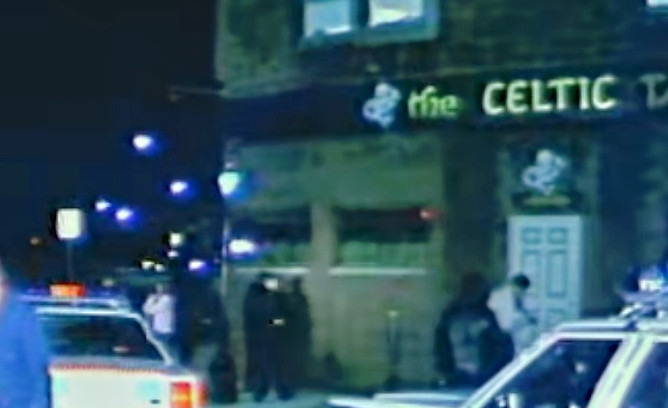
Nardone met Boo Boo at the Celtic Tavern. He bought him a boiler maker and laid out a thick white line for him to snort on the bar. He asked how he liked it. Boo Boo said it was great. Nardone asked him to say it loud for all to hear. Boo Boo did. Then he put a bullet in Boo Boo’s head. Police investigated, No one saw a thing.
Fitzgerald and Houlihan made all business decision together. They both agreed Nardone was a good hire and that they needed George Sargent to deal for them.
George Sargent – Dealer Extraordinaire and the Big Rat
Sargent was tall and lanky, with red hair and a thick mustache. He had a gift for gab, was always thinking, and said he could sell "ice to Eskimos". He, Houlihan and Fitzgerald were life-long friends. They made First Communion, played semi-pro football, and, in one now crime of legend, famously robbed a guy twice over two days. It was Sargent’s idea. They watched a moving truck load in three floors of furniture for a new resident. That night, they stole his car, kept it long enough to let despair sink in, then returned it.
Sargent penned a note of apology for “borrowing” the car and put in “thank-you tickets” to the Celtics. Have a nice night. The out of towner was overcome with forgiveness and went to the game. When he returned, his entire house was empty.
When Houlihan and Fitzgerald tried to recruit Sargent for the drug ring he was in hiding. Sargent owed big bucks to a North End loan shark. The loan shark hired a welder to scorch the money out of George. But George skipped town.
Houlihan and Fitzgerald paid off the debt and brought Sargent home to deal. It was a dream team until Sargent’s mid-life crisis got the best of him. He began doling out cocaine to underage girls in exchange for sex. He fell way behind in what he owed his friends and his friends dispatched Nardone to kill him. Nardone made three attempts, but never did more than wound him.
Sargent had proven over the years that he wasn't a rat. Far from it. But after the third attempt on his life, during another frustrating round of questioning, a cop threatened to call Nardone and escort him to the hospital where Sargent was recovering for another shot, Sargent finally sang. The DEA recorded 8 hours of testimony laying out everything about the ring and its murders.
Before Sargent could leave town in witness protection, Nardone finally got him. Sargent was dead, But his tape recorded testimony would be key evidence to get convictions if they played in court. The defense appealed all the way to the Supreme Court, arguing that they had not been allowed to cross exam the witness. SCOTUS let a lower court ruling stand that if you murder the witness you forfeit that right. The tapes would play.
Jennierose Lynch – Cocaine Queen
Jennierose was anorexic with a high-pitched squeaky voice who frequently ended her sentences with a nervous laugh, even when she was saying somebody had to die. Lynch was all Charlestown. She was beautiful, thin and long legged, with green eyes and platinum blonde hair, She wore red - red lipstick, red nails, red clothes. She grew up with guys who made a living with a gun and liked them for their bravado and toughness, guys like Bullet Head Butchy Doe. Lynch didn’t seem to mind that Butchy’s girlfriends often ended up with a toe tag at the morgue, like Carol Hoey.
She worked in a hair salon next to Kerrigan’s Flower Shop and got to know Fitzgerald when they both took smoke breaks. One thing led to another and they became tight.
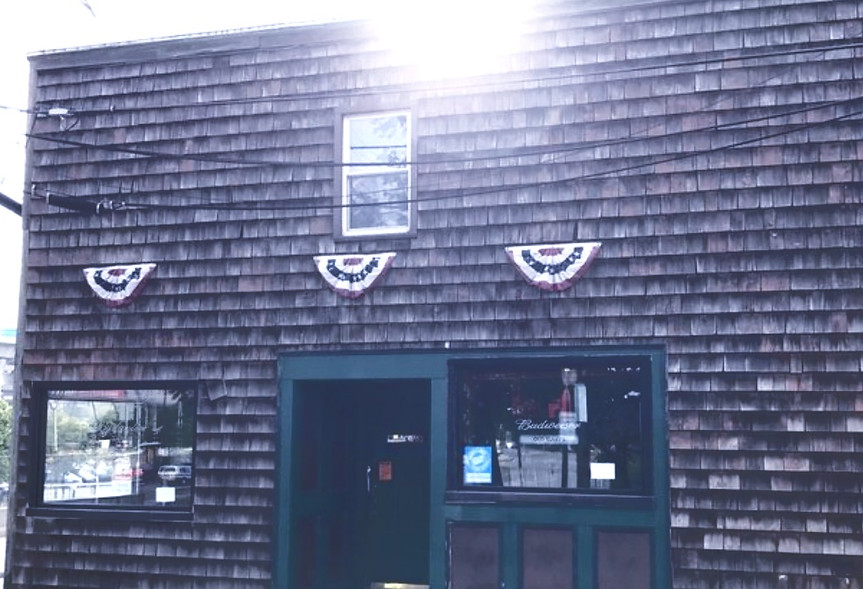
Fitzgerald made her a dealer and marked Main Street to Sullivan Square as her exclusive territory. Selling cocaine was the best thing that ever happened to Lynch. Into her apartment at 50 Monument Street in the Bunker Hill projects were the treasures of Xanadu, paid for in cash. Jennierose who never earned more than three hundred bucks a week was now buying Italian Furniture. The sofa was leopard skin. There were $300 lamps. She even bought drink coasters so as not to leave rings on the coffee table. Her dinner parties were famous. There was bone china and Chinese takeout, Budweiser flowing into Austrian crystal, and carrying on till dawn.
Lynch was the world’s happiest cocaine dealer. The money, drugs and power of being the girlfriend of a killer was intoxicating. So much so that she was outraged when she learned that a childhood friend was selling on her turf. She told her boyfriend. On her complaint John Boyden Junior, 32 years old, known as “Little Muffin” was to be gunned down.
Boyden’s mother, Veronica, used to baby sit Lynch. The two grew up together. But that was then, this was now. Business is business. The only problem was they couldn’t use Nardone. Boyden would have shot him on sight because he knew Nardone was the grim reaper.
Fitzgerald hired Mark O’Neill, a kid who had robbed a bank with Boyden - except that O’Neill got caught and went to jail and Boyden got away. O’Neill was a stand-up guy and never ratted out Boyden. But after six years he was ready to kill Boyden for not sending any money, any clothes, or doing anything for him while he was away.
“Does he think luck got him off. I kept my mouth shut,” O’Neill said.
The plan was to get Boyden in a car under the pretense of picking out a bank for an armed robbery, a make good for the one Boyden failed to pull off. Instead, Boyden was given a joint of Angel Dust and a bullet in the back of the head. His body was dumped in a parking lot with a wooden pallet placed over it. His sneakers were removed and placed near his head. The message was clear: No one deals drugs on this turf. For distraction, Lynch was out of town with two girl friends in Atlantic City playing craps and blackjack.
Lynch expanded, starting an escort ring that sold cocaine and sex.
Lynch was Fitzgerald’s partner in crime and co-defendant. And during the trial, in a five-minute hallway ceremony, married him to invoke a statute prohibiting a wife from testifying against a husband. It didn’t work. The crimes preceded the marriage. She would be compelled to testify. She also faced life in prison if she didn't take a deal.


04
THE EPISODES
A SIX-PART SERIES
EPISODE ONE
No Town Like Charlestown
There was no town like Charlestown. A town so crooked that it was known as the bank robber capital of the world. But that description doesn’t do it justice, not to the drugs, violence and murder that were so integral a part of the one square mile hood in the 70s, 80s and early 90s. Set against the social and economic upheaval of the time, we're introduced to three best friends who would come to run a ruthless Charlestown criminal enterprise, dealing in cocaine and cadavers. They murdered anyone who stood in their way. Protected by the tight-lipped tradition in the tight-knit community, no one said nothing, but everyone knew everything, It was the Townie code.
EPISODE TWO
The Ringleaders
Running the operation out of an unlikely "command center" -Kerrigan's Flower Shop - the ringleaders of the Charlestown gang rise to power through intimidation and bloodshed. It's as if John “Mad Dog” Houlihan, Michael “Fitzy’ Fitzgerald, and Joseph “No Name” Nardone. were preordained to join forces as they grew up in the Charlestown projects.
EPISODE THREE
The Ring
By 1990, the Houlihan - Fitzgerald - Nardone axis is firmly in control. Millions of dollars worth of cocaine and PCP were being distributed by the kilo by a tight network of townies. Most law enforcement officers figured the ring would never be broken -- and dozens of murders would never be solved.
EPISODE FOUR
The Rat
Smooth talking George Sargent, childhood friend of Houlihan, Fitzy is a loyal confidant and street distributor. Busted by police, he does the unheard of... he flips. On a warm night in June of 1992, Nardone comes up behind Sargent on a crowded Charlestown thoroughfare and shoots him twice in the chest. A voice in the crowed could be heard, "Shut your mouths. Don't be a squealer!" The code of silence had been enforced. Except it hadn't. Sargent would do his ratting from the grave.
EPISODE FIVE
The Code of Silence
The special task force cracks the code of silence with a three-year investigation spending more than $15 million to protect witnesses, including a half-dozen residents who asked to be moved out of the neighborhood for fear of retribution. The ring’s take-down climaxed in a pre-dawn arrest on October 31, 1993, of nineteen alleged criminals on 49 counts.
EPISODE SIX
Trials and Tribulations
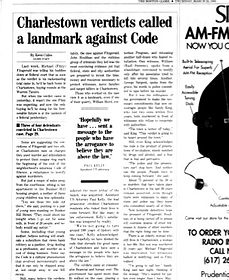
The months long 1995 Code of Silence Trial reveals just how far the murder and mayhem went. In the end, eleven defendants went to prison. John“Mad Dog” Houlihan, Michael “Fitzy’ Fitzgerald, and the ring’s one-eyed hitman, Joseph “No Name” Nardone were sentenced to life in prison. Champ - Charlestown After Murder Program - is formed even as the next generation of Townies moves up to fill the criminal void. But times have changed and so has Charlestown.